
Understanding BS 7976 — What Slip-Resistance Testing Means for Specifiers
If you specify flooring for an industrial, commercial or public site, you've probably seen "BS 7976" referenced in a datasheet or a health and safety report without much explanation of what it actually measures. Here's what it means and why it matters when choosing anti-slip flooring.
What is BS 7976?
BS 7976 is the British Standard covering the pendulum test — the method used across the UK to assess how slip-resistant a flooring surface is, in both wet and dry conditions. A pendulum device swings a spring-loaded rubber slider across the test surface and measures the resistance it meets, producing a Pendulum Test Value (PTV). The higher the PTV, the more slip-resistant the surface is considered to be under the test conditions.
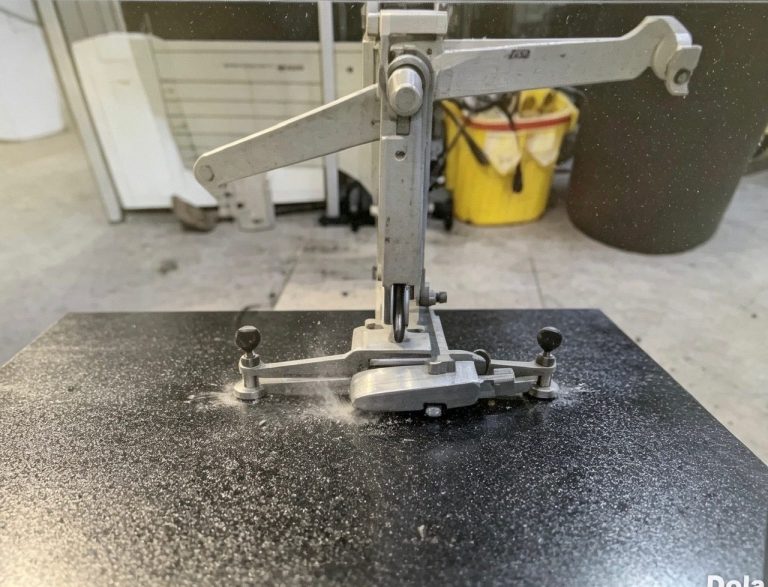
It's the methodology referenced in HSE guidance and widely used by flooring specifiers, facilities managers and safety consultants when assessing slip risk on existing or proposed surfaces.
Why it matters for specification
A surface that looks textured or gritted isn't automatically slip-resistant in practice — wear, contamination (oil, water, dust) and the type of footwear in use all affect real-world grip. The pendulum test gives a repeatable, standardised way to compare surfaces rather than relying on visual judgement alone.
Where this fits with Helion
Every product in Corrotec's Helion range — from general industrial floor plates (Helion Supply) through to marine decking (Helion Marine Max) and access ramps (Helion Access) — is designed and manufactured with grip surfaces applied in line with the principles behind BS 7976 pendulum testing: a bonded, gritted aggregate surface engineered for consistent underfoot traction rather than a smooth or lightly textured finish.
If your project has a specified minimum PTV requirement, talk to us about your site conditions and we'll help you specify the right Helion product for it.